Film: Food, Inc.

Why the USDA can’t shut down bad meat plants, and more food horror on-screen.

Get your news from a source that’s not owned and controlled by oligarchs. Sign up for the free Mother Jones Daily.


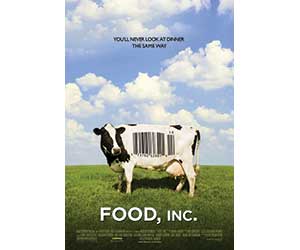
Food, Inc. is the latest in a line of cinematic polemics that includes Super Size Me, King Corn, and The Future of Food. Yet this urgent, graphic film exposes more atrocious things about the food we eat than all of its predecessors combined. Within five minutes of the opening credits, the screen fills with shots of assembly-line workers staple tagging the heads of chicks, close-ups of hens’ legs buckling under the weight of their own breasts, and dying chickens packed into polluted sheds. Then come the acres of cattle ankle deep in manure, sick cows being tortured before slaughter, and engineers proudly displaying pink slabs of ammonia-washed “hamburger meat filler.” Director Robert Kenner isn’t just concerned with the suffering of animals. He also profiles Americans caught in the snare of the food industry, like Barbara Kowalcyk, whose two-and-a-half-year-old son died after eating an E. coli-infected hamburger. She’s spent six years lobbying Congress to empower the usda to shut down meat plants that repeatedly fail microbial testing. (Who knew it couldn’t?)

For the converted, the film’s litany of horrors may feel familiar, and there is an overreliance on voice-overs by Michael Pollan (interviewed here) and Eric Schlosser. Yet Food, Inc. still engenders disbelief: How does Big Food get away with this? Partly because we, the consumers, often reward it with our purchasing power. An incitement to change comes, strangely enough, from a vice president of the American Corn Growers Association, who explains, “People have got to start demanding good, wholesome food from us, and we’ll deliver.”


DECEMBER IS MAKE OR BREAK

A full one-third of our annual fundraising comes in this month alone. That’s risky, because a strong December means our newsroom is on the beat and reporting at full strength—but a weak one means budget cuts and hard choices ahead.

The December 31 deadline is closing in fast. To reach our $400,000 goal, we need readers who’ve never given before to join the ranks of MoJo donors. And we need our steadfast supporters to give again—any amount today.

Managing an independent, nonprofit newsroom is staggeringly hard. There’s no cushion in our budget—no backup revenue, no corporate safety net. We can’t afford to fall short, and we can’t rely on corporations or deep-pocketed interests to fund the fierce, investigative journalism Mother Jones exists to do.

That’s why we need you right now. Please chip in to help close the gap.

DECEMBER IS MAKE OR BREAK

A full one-third of our annual fundraising comes in this month alone. That’s risky, because a strong December means our newsroom is on the beat and reporting at full strength—but a weak one means budget cuts and hard choices ahead.

The December 31 deadline is closing in fast. To reach our $400,000 goal, we need readers who’ve never given before to join the ranks of MoJo donors. And we need our steadfast supporters to give again—any amount today.

Managing an independent, nonprofit newsroom is staggeringly hard. There’s no cushion in our budget—no backup revenue, no corporate safety net. We can’t afford to fall short, and we can’t rely on corporations or deep-pocketed interests to fund the fierce, investigative journalism Mother Jones exists to do.

That’s why we need you right now. Please chip in to help close the gap.

We Recommend

Latest

Sign up for our free newsletter

Subscribe to the Mother Jones Daily to have our top stories delivered directly to your inbox.

Get our award-winning magazine

Save big on a full year of investigations, ideas, and insights.

Subscribe

Support our journalism

Help Mother Jones' reporters dig deep with a tax-deductible donation.

Donate