Will Private Prisons Finally Be Subject to the Freedom of Information Act?

Sponer/Shutterstock

Get your news from a source that’s not owned and controlled by oligarchs. Sign up for the free Mother Jones Daily.


Anyone can use the federal Freedom of Information Act to request records about prisons owned and operated by the government. Information about prisoner demographics, violent incidents, and prison budgets are all obtainable. But privately run facilities—even those that hold federal prisoners—are exempt from the law. Last week, Rep. Sheila Jackson Lee (D-Texas) introduced legislation to change that. On December 10, she introduced a new bill, the Private Prison Information Act. If passed, it would force any nonfederal prison holding federal prisoners to comply with the Freedom of Information Act.

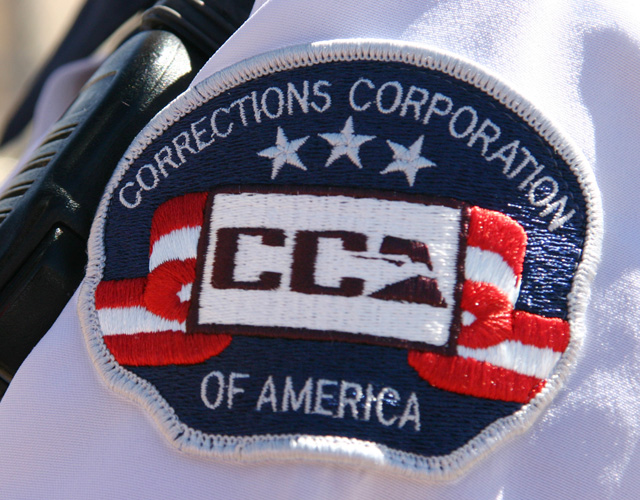
In 2013, 41,200 federal convicts—19 percent of the entire federal prison population—were housed in private facilities. That year, Corrections Corporation of America, the largest prison contractor in the United States, collected more than $584 million from the federal government.

Passing Lee’s bill will be difficult, if not impossible. From 2005 to 2012, Democrats (including Lee) introduced five separate bills that aimed to apply FOIA to private prisons. All of them failed. With the GOP—which has been generally friendly to the prison industry—controlling both houses of Congress beginning next year, the new bill will likely meet a similar end.

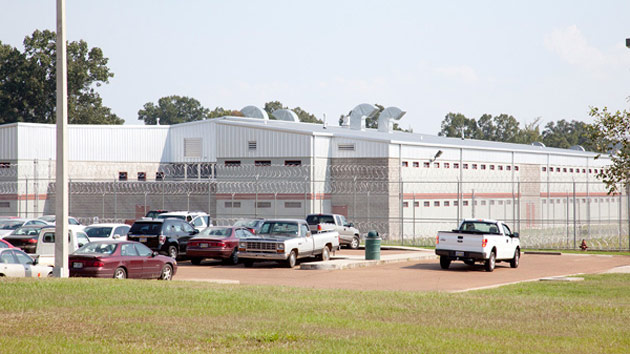
Meanwhile, increasing numbers of prisoners are locked up in facilities that are legally immune to open-records requests. From 2000 to 2009, the number of people locked up in private facilities at every level of the justice system increased 37 percent, to 129,336, according to the Department of Justice. By the end of 2013, 133,000 inmates—about 8 percent of the entire US prison population—were housed in private prisons. The figure is on par with the entire California prison population at that time.

BEFORE YOU CLICK AWAY!

December is make or break for us. A full one-third of our annual fundraising comes in this month alone. A strong December means our newsroom is on the beat and reporting at full strength. A weak one means budget cuts and hard choices ahead.

The December 31 deadline is closing in fast. To reach our $400,000 goal, we need readers who’ve never given before to join the ranks of MoJo donors. And we need our steadfast supporters to give again today—any amount.

Managing an independent, nonprofit newsroom is staggeringly hard. There’s no cushion in our budget—no backup revenue, no corporate safety net. We can’t afford to fall short, and we can’t rely on corporations or deep-pocketed interests to fund the fierce, investigative journalism Mother Jones exists to do.

That’s why we need you right now. Please chip in to help close the gap.

BEFORE YOU CLICK AWAY!

December is make or break for us. A full one-third of our annual fundraising comes in this month alone. A strong December means our newsroom is on the beat and reporting at full strength. A weak one means budget cuts and hard choices ahead.

The December 31 deadline is closing in fast. To reach our $400,000 goal, we need readers who’ve never given before to join the ranks of MoJo donors. And we need our steadfast supporters to give again today—any amount.

Managing an independent, nonprofit newsroom is staggeringly hard. There’s no cushion in our budget—no backup revenue, no corporate safety net. We can’t afford to fall short, and we can’t rely on corporations or deep-pocketed interests to fund the fierce, investigative journalism Mother Jones exists to do.

That’s why we need you right now. Please chip in to help close the gap.

We Recommend

Latest

Sign up for our free newsletter

Subscribe to the Mother Jones Daily to have our top stories delivered directly to your inbox.

Get our award-winning magazine

Save big on a full year of investigations, ideas, and insights.

Subscribe

Support our journalism

Help Mother Jones' reporters dig deep with a tax-deductible donation.

Donate