The House Just Voted to Ban Those Tiny Pieces of Plastic in Your Toothpaste

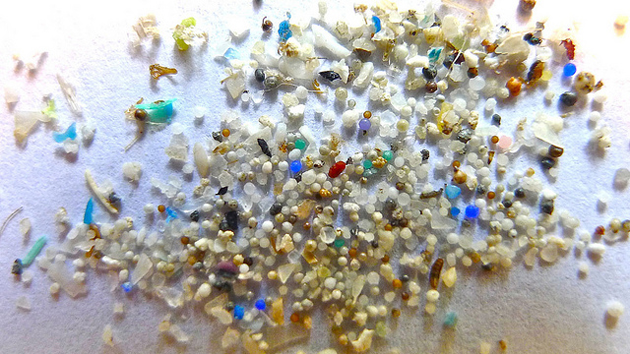
A sample of microbeads collected in Lake Erie5 Gyres Institute

Get your news from a source that’s not owned and controlled by oligarchs. Sign up for the free Mother Jones Daily.


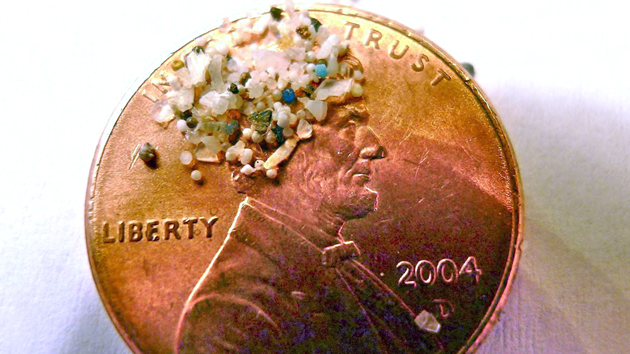
Yesterday, the US House of Representatives voted to phase out microbeads, the little pieces of plastic that act as exfoliants in personal-care products ranging from face wash to toothpaste. The bill, which was introduced last year by Rep. Frank Pallone (D-N.J.), would ban the use of synthetic microplastics in cosmetics by 2018. Sens. Debbie Stabenow (D-Mich.) and Gary Peters (D-Mich.) introduced companion legislation in May.

Environmental advocates have expressed concern for years over the beads, which are so small that they aren’t caught in water treatment plants. There are roughly 300,000 microbeads in a single tube of face wash; by some estimates, Americans dump roughly 300 tons of the beads per year into US waterways. The microplastics, which serve as a sponge for toxins, are frequently confused by fish as food and make their way up the food chain—they’ve turned up in tuna and swordfish.

Several states have enacted microbead bans, starting with Illinois in 2014. California passed the strictest legislation yet in October this year, banning both synthetic and biodegradable plastics. (Many experts argue that there is no such thing as plastic that can biodegrade in ocean conditions.) If it becomes law, the national legislation, which only focuses on synthetic plastics, would supersede these state bans.

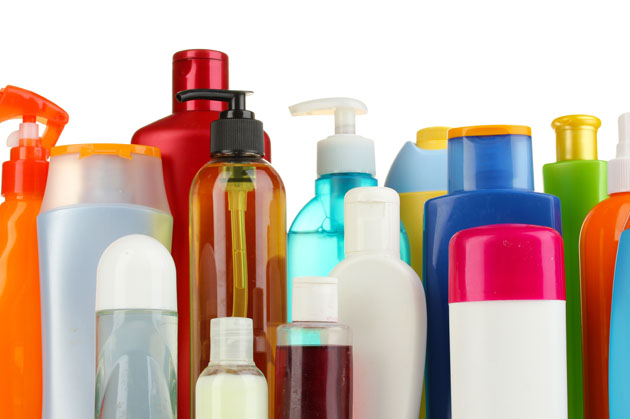
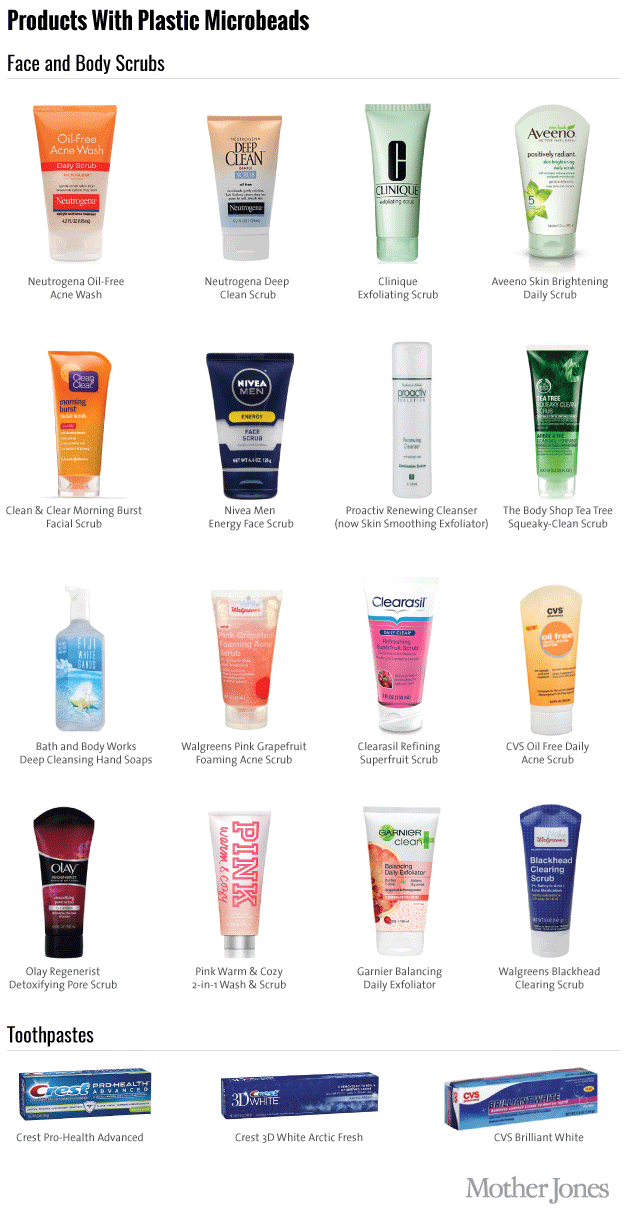
Here are a few products with and without the plastic beads. If you’re curious about a product you use, look for polyethylene on the ingredient list.

 

DECEMBER IS MAKE OR BREAK

A full one-third of our annual fundraising comes in this month alone. That’s risky, because a strong December means our newsroom is on the beat and reporting at full strength—but a weak one means budget cuts and hard choices ahead.

The December 31 deadline is closing in fast. To reach our $400,000 goal, we need readers who’ve never given before to join the ranks of MoJo donors. And we need our steadfast supporters to give again—any amount today.

Managing an independent, nonprofit newsroom is staggeringly hard. There’s no cushion in our budget—no backup revenue, no corporate safety net. We can’t afford to fall short, and we can’t rely on corporations or deep-pocketed interests to fund the fierce, investigative journalism Mother Jones exists to do.

That’s why we need you right now. Please chip in to help close the gap.

DECEMBER IS MAKE OR BREAK

A full one-third of our annual fundraising comes in this month alone. That’s risky, because a strong December means our newsroom is on the beat and reporting at full strength—but a weak one means budget cuts and hard choices ahead.

The December 31 deadline is closing in fast. To reach our $400,000 goal, we need readers who’ve never given before to join the ranks of MoJo donors. And we need our steadfast supporters to give again—any amount today.

Managing an independent, nonprofit newsroom is staggeringly hard. There’s no cushion in our budget—no backup revenue, no corporate safety net. We can’t afford to fall short, and we can’t rely on corporations or deep-pocketed interests to fund the fierce, investigative journalism Mother Jones exists to do.

That’s why we need you right now. Please chip in to help close the gap.

We Recommend

Latest

Sign up for our free newsletter

Subscribe to the Mother Jones Daily to have our top stories delivered directly to your inbox.

Get our award-winning magazine

Save big on a full year of investigations, ideas, and insights.

Subscribe

Support our journalism

Help Mother Jones' reporters dig deep with a tax-deductible donation.

Donate